Projects
Neurofeedback Scheduling in Skill Learning
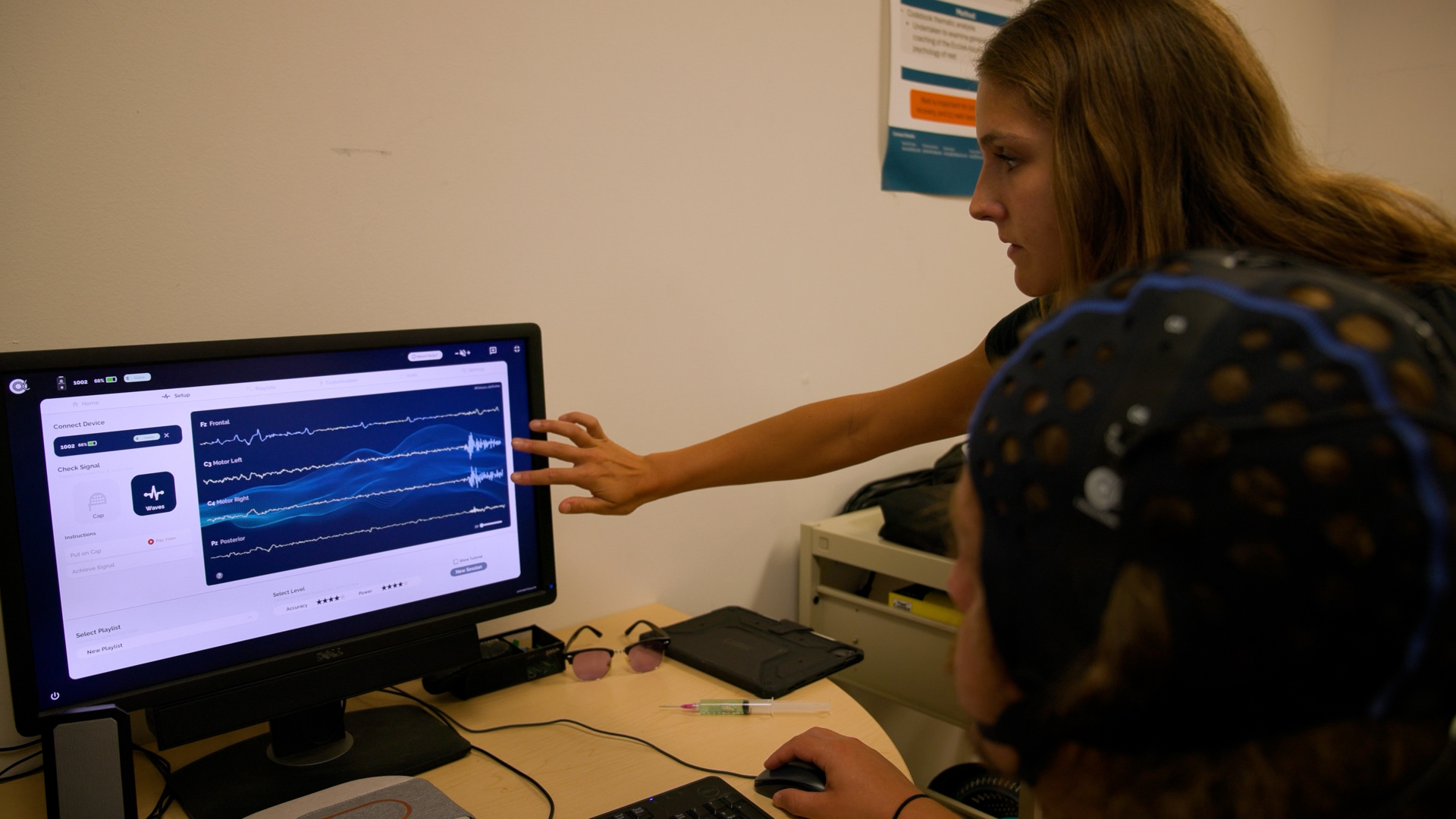
Biofeedback technologies readily provide massive amounts of biometric data to individuals, but less is known about how frequently such feedback should be delivered for optimal learning or health outcomes. In this internally funded work in collaboration with i-BrainTech, we are investigating the impact of different neurofeedback schedules on skill learning in i-Braintech's brain-computer interface (BCI).
Collaborators: Dr. Konstantin Sonkin, Yoav Zamir
Movement-Assistive Robotics in Motor Learning
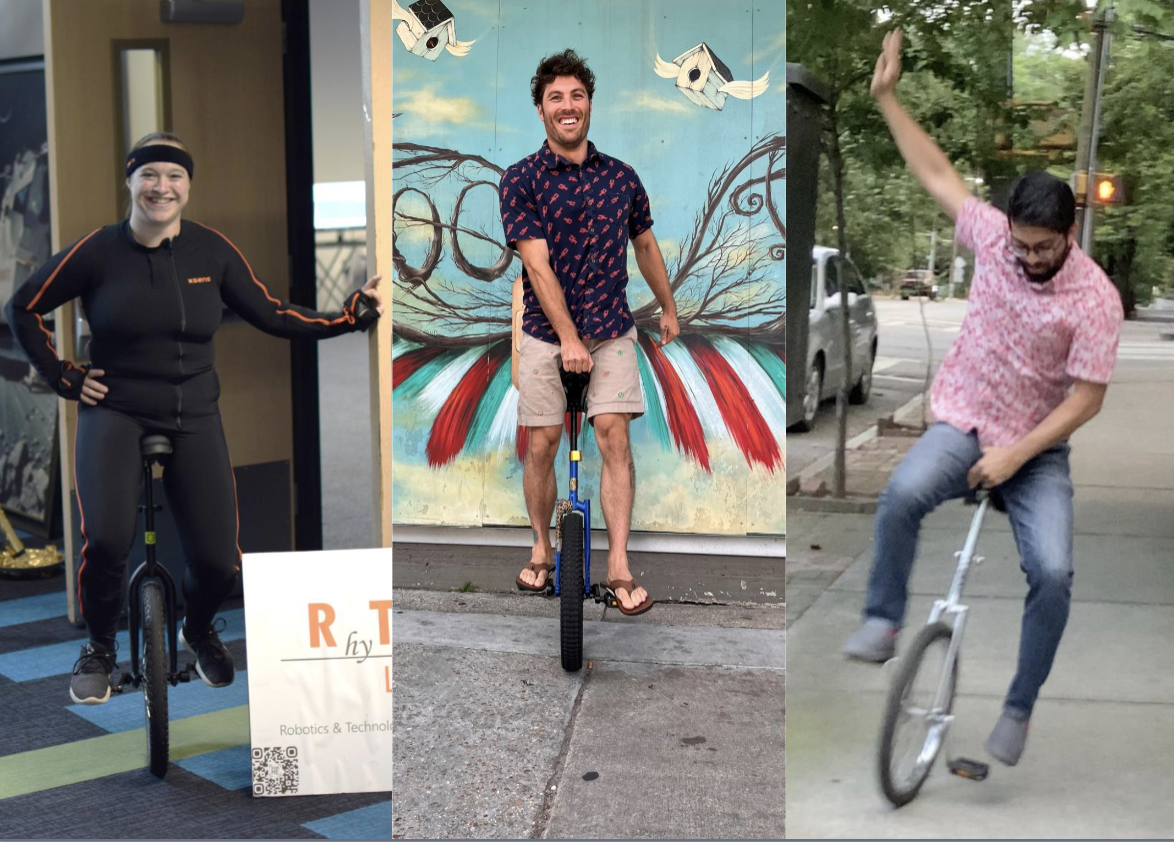
Movement-assistive robotics such as exoskeletons hold great promise for rehabilitation contexts, but they have primarily been studied with walking, which can be categorized as a highly complex movement skill that most users are already skilled at. In this NSF-funded collaborative work with FAMU-FSU College of Engineering and Georgia Tech, we simplify the problem space by studying how intelligent movement-assistive robotics can be used to improve the learning of a unicycle (a balance-related skill like walking, but few people are skilled at).
Watch a short clip ↗
Collaborators: Dr. Taylor Higgins, Dr. Shreyas Kousik, Dr. Aston McCullough
Neurobehavioral Markers of Digital Learning
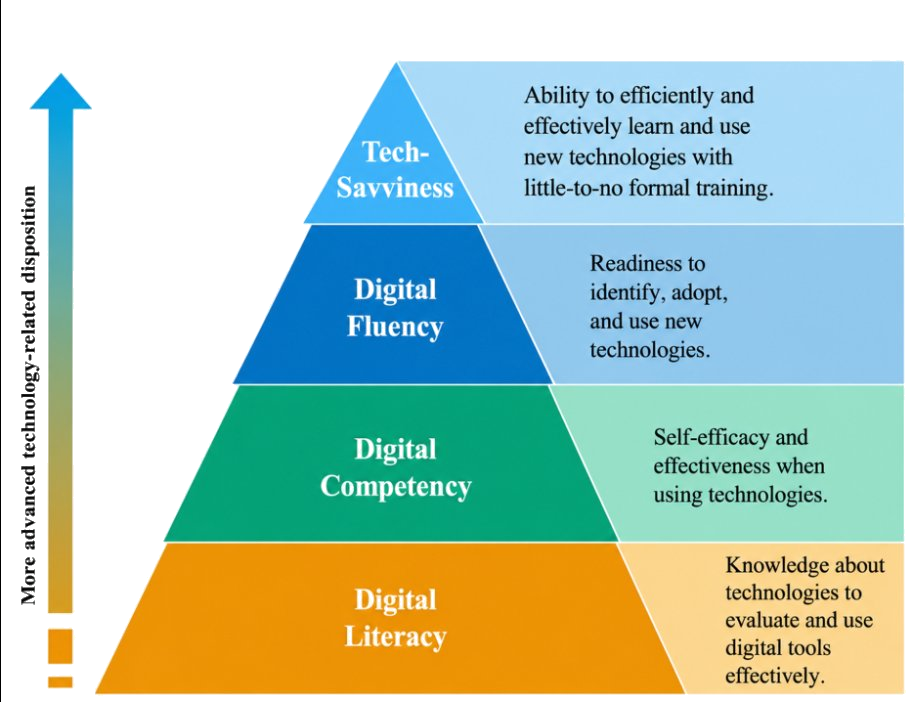
Given the rapid advancement and integration of intelligent technologies in modern society, the ability to effectively learn digital tools is growing into an essential 21st-century skill. Understanding how individuals cognitively engage with new digital platforms according to experiences and technology-related perceptions is important for improving educational outcomes across age grops. This funded, collaborative program of work examines psychophysiological indices of learning in contexts with digital tools, as well as technology experiences and behaviors associated with adaptive use of available assistive tools for learning.
Collaborators: Dr. Bret Staudt-Willet, Dr. Kadir Kozan, Dr. Ian Perera, Dr. Chris Bates
Neural Mechanisms of Balance-Related Anxiety
In humans, balance and emotion are highly integrated processes. Many balance-related disorders are accompanied by anxiety-related disorders due to proximal neural circuitry between the vestibular and limbic system. Thus, uncovering neural mechanisms involved in balance-related anxiety would provide important clinical markers for balance disorders and injury recovery. In this work, we use EEG to study neural markers associated with losing balance.
Collaborators: Dr. Nicholas Kreter, Dr. Aiden Payne